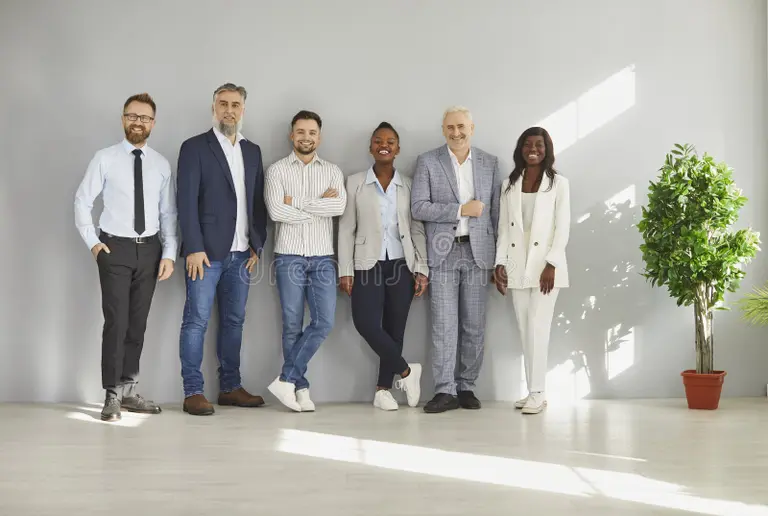
For years, fashion sold us the idea that looking polished meant being pulled in, cinched, and squeezed. Slim fits, body-hugging silhouettes, and tailored-to-the-point-of-restriction clothes became the visual shorthand for “well-dressed.” But as someone who reports on fashion from the front rows to the streets, I’ve watched that idea slowly—and thankfully—unravel.
Looking well-dressed has far less to do with how tight your clothes are and far more to do with how intentional they feel. Ease, structure, proportion, and fabric do far more heavy lifting than compression ever could.
Style doesn’t come from discomfort. It comes from confidence—and confidence is difficult to sustain when you’re constantly adjusting your clothes.
Rethinking What “Polished” Really Means
Polish isn’t about clinging to the body. It’s about clarity.
Clothes that skim rather than squeeze allow lines to fall naturally. They create movement, depth, and effortlessness. When garments sit well on the body without pulling, they instantly read as intentional.
The most refined outfits often have space built into them—space for breathing, walking, sitting, and living.
Fit Over Tightness
There is a crucial difference between fitted and tight.
Fitted clothing respects your shape without constraining it. Tight clothing demands that your body adapt to it. The former feels considered; the latter feels forced.
Well-dressed people pay attention to shoulder seams, sleeve length, waist placement, and garment balance—not how closely the fabric hugs the skin.
Let Fabric Do the Work
The right fabric elevates even the simplest outfit.
Structured yet breathable materials like cotton poplin, linen blends, lightweight wool, khadi, silk blends, and modal hold their shape without clinging. These fabrics fall cleanly, creating silhouettes that look sharp while feeling relaxed.
Clingy fabrics highlight every movement. Fluid fabrics create flow—and flow reads as elegance.
Master Proportion, Not Compression
Proportion is one of fashion’s most powerful tools.
A slightly looser top balanced with a structured bottom, or relaxed trousers paired with a defined shirt, creates harmony without tightness. Playing with lengths, volume, and layering adds visual interest while maintaining comfort.
When proportions work, the outfit looks deliberate rather than oversized.
Structured Pieces Change Everything
Structure doesn’t have to mean stiffness.
A well-cut blazer, a crisp shirt, a neatly tailored kurta, or a structured jacket instantly elevates an outfit—even when worn over relaxed pieces.
These items provide shape without restriction, creating contrast that signals style.
Neutrals and Thoughtful Color Choices
Color influences perception.
Neutral palettes—whites, beiges, greys, blacks, navies, earthy tones—tend to look cleaner and more refined when worn in relaxed silhouettes. Loud prints or bold colors in loose fits can sometimes read as casual unless styled carefully.
Thoughtful color combinations create cohesion, making outfits look intentional rather than thrown together.
Attention to Details Makes the Difference
Small details separate “comfortable” from “well-dressed.”
Clean seams, pressed fabric, intentional layering, and quality finishes elevate loose clothing instantly. Rolling sleeves thoughtfully or tucking in a shirt partially adds shape without constriction.
When details are right, tightness becomes irrelevant.
Footwear Anchors the Look
Shoes ground an outfit.
Well-chosen footwear—clean sneakers, loafers, sandals with structure, or classic flats—adds polish even to relaxed clothing. The wrong shoes can make an outfit feel sloppy, regardless of how well the clothes fit.
Comfortable footwear doesn’t mean casual—it means considered.
Grooming Completes the Picture
Looking well-dressed isn’t just about clothes.
Neat grooming—clean hair, maintained shoes, subtle accessories—creates a sense of completeness. When grooming is on point, clothing doesn’t need to do all the work.
Ease paired with care reads as confidence.
Layering Adds Depth Without Tightness
Layers create dimension.
A lightweight jacket, scarf, dupatta, or overshirt adds interest and structure. Layering allows loose pieces to feel styled rather than oversized.
The key is keeping layers breathable and proportionate.
Comfort Improves Posture (And It Shows)
When clothes are comfortable, posture improves naturally.
You stand straighter. You move freely. You engage more confidently. This physical ease translates visually, making outfits appear more polished.
Discomfort, on the other hand, shows up in body language.
Redefining Effortless Style
Effortless style isn’t careless. It’s refined simplicity.
It’s choosing clothes that respect your body, your climate, and your day. It’s understanding that tightness is not a shortcut to sophistication.
True style feels good long before it looks good.
Dressing for the Life You Actually Live
The most stylish wardrobes belong to people who dress for reality.
They choose garments that work across hours, settings, and moods. They invest in comfort without sacrificing intention.
Because when you’re not fighting your clothes, you’re free to be present.
The New Definition of Well-Dressed
Being well-dressed today isn’t about restriction.
It’s about awareness. About choosing clothes that feel like they belong to you.
When fashion supports movement, comfort, and confidence, tightness becomes unnecessary.
And that’s when style stops trying—and starts lasting.