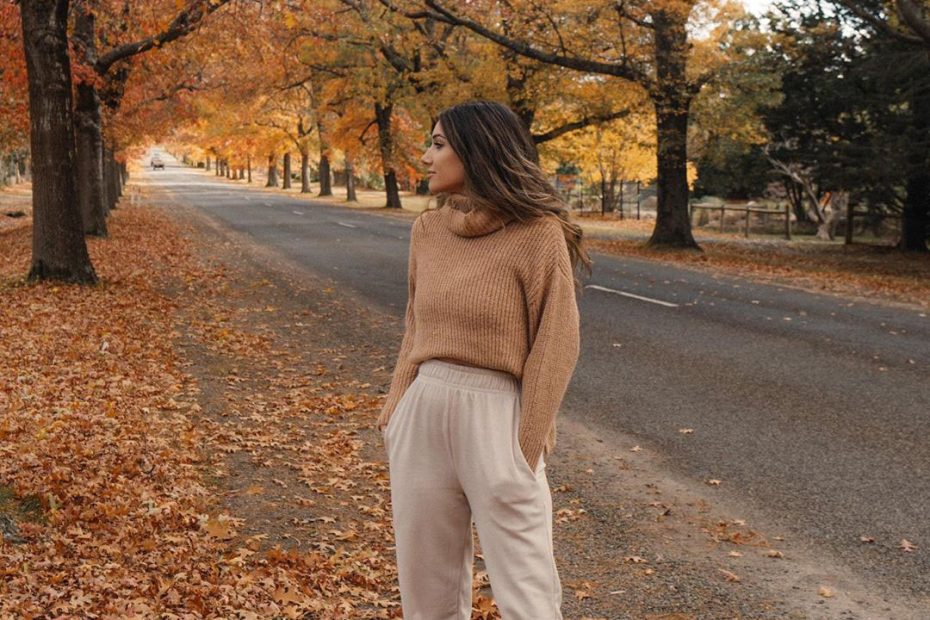
Fashion is often photographed standing still. Perfect posture, controlled lighting, clothes that don’t have to survive real life. But as a fashion reporter who spends more time moving through cities, attending shows, sitting through long meetings, and running between locations than posing for pictures, I’ve learned something important: the most stylish outfits are the ones you can actually live in.
Comfort used to be treated like a compromise. Something you chose at home, not in public. But over the past few years, that line has blurred—and honestly, it’s about time. Clothes that feel good don’t just support your body; they change how you move, how you sit, how confidently you show up.
Choosing comfortable clothing isn’t about giving up on style. It’s about understanding your body, your day, and how fabric, fit, and construction quietly affect both.
Start With the Reality of Your Day
Before trends, before aesthetics, before color palettes—start with honesty.
How long will you be wearing this outfit? Will you be sitting, standing, walking, commuting, working, socializing? Clothes behave differently in motion than they do in mirrors.
An outfit that looks effortless in the morning can feel restrictive by afternoon if it doesn’t match your day’s rhythm. Comfort begins when clothing aligns with lifestyle, not aspiration.
Fabric Matters More Than Brand
In fashion, we talk a lot about silhouettes and labels, but fabric is where comfort truly lives.
Natural fibers like cotton, linen, wool, and silk allow the body to breathe. They respond to temperature changes and move with you. Synthetic fabrics can be useful, but when overused, they trap heat and moisture.
This doesn’t mean avoiding blends. It means paying attention to how a fabric feels after hours of wear—not just when you first put it on.
Touch matters. If it irritates your skin in the store, it won’t magically improve by evening.
Fit Is Personal, Not Standardized
Sizing is a guideline, not a truth.
Two garments with the same label size can feel completely different depending on cut, rise, stretch, and structure. Comfort comes from fit that respects your body’s proportions, not from forcing your body into a size.
Clothes that pull, pinch, or require constant adjustment rarely feel comfortable, no matter how stylish they look.
Tailoring isn’t about luxury—it’s about function. Even small adjustments can transform how a garment feels throughout the day.
Pay Attention to Seams and Construction
Comfort is often hidden in the details no one sees.
Poorly placed seams, tight armholes, stiff waistbands, and bulky tags can turn a good outfit into a long day. Well-constructed garments distribute weight evenly and move naturally with the body.
When trying something on, move. Sit. Lift your arms. Walk. Comfort reveals itself in motion, not in stillness.
Breathability Is Non-Negotiable
No matter the season, breathability matters.
Clothes that don’t allow air circulation create discomfort that builds slowly—heat, sweat, irritation. This affects focus, mood, and confidence.
Layering breathable fabrics often feels more comfortable than wearing one heavy piece. It allows you to adjust as your environment changes throughout the day.
Structure and Stretch Must Balance
Stretch can be comforting, but too much of it can lead to garments losing shape and support.
Structured pieces provide form, while stretch offers movement. The best everyday clothing finds a balance between the two.
An elastic waistband that digs in or a stretchy top that clings uncomfortably defeats the purpose. Comfort comes from thoughtful design, not just flexibility.
Shoes Set the Tone for the Entire Outfit
You can forgive an uncomfortable top. Shoes are less forgiving.
Footwear affects posture, gait, and overall energy. Stylish shoes don’t need to hurt—but they do need to fit properly.
Pay attention to arch support, cushioning, and heel height that aligns with your daily movement. Comfort in footwear changes how long you can stay present in your clothes.
Don’t Ignore Climate and Environment
What feels comfortable in one climate may not work in another.
Humidity, temperature, and air-conditioning all influence how clothes behave. Fashion doesn’t exist in a vacuum—it exists in weather.
Dressing comfortably means adapting trends to environment, not copying them blindly.
Color and Comfort Are Connected
This may sound surprising, but color affects comfort perception.
Dark colors absorb heat. Light colors reflect it. Certain shades show sweat or creasing more easily, which can increase self-consciousness.
Comfort isn’t just physical—it’s psychological. Feeling at ease in what you’re wearing matters just as much as how it feels on your skin.
Trends Should Serve You, Not Control You
Trends come and go. Comfort stays.
Adopting trends selectively—choosing silhouettes, fabrics, or colors that work for you—allows personal style to evolve without sacrificing ease.
The most fashionable people I meet aren’t chasing trends. They’re editing them.
Building a Comfortable Wardrobe Takes Time
Comfortable dressing isn’t built in one shopping trip.
It’s built through observation—what you reach for repeatedly, what stays unworn, what makes you feel at ease by the end of the day.
When clothes feel good, you stop thinking about them. That’s the real test.
The Quiet Confidence of Comfort
Comfortable clothes change how you move through the world.
You sit differently. You stand taller. You engage more fully.
Fashion should support life, not interrupt it. And when comfort becomes part of your style language, it stops being an afterthought and becomes the foundation.
Because the most lasting impression is not how an outfit looks at first glance—but how confidently you wear it all day long.