When people find out I’m a nutritionist, the first question is almost always the same: “So… what should I completely stop eating?”
It’s an understandable question. Heart health, especially, is often framed around fear—blocked arteries, bad cholesterol, sudden warnings. But in my everyday practice, I’ve learned something gentler and far more hopeful: heart health isn’t built through restriction alone; it’s built through quiet, consistent choices.
Most hearts don’t suffer because of one bad meal. They struggle because of patterns—what we eat most days, not what we eat occasionally. And the foods that support heart health best aren’t exotic or expensive. They’re often already sitting in our kitchens, waiting to be noticed.
Here are some everyday foods I trust, recommend, and personally include—because they work quietly, over time.
Oats: The Everyday Protector
Oats are one of the first foods I suggest when someone wants to support their heart without changing their entire diet.
They contain soluble fiber, particularly beta-glucan, which helps reduce LDL cholesterol. But beyond the science, oats do something simple and important—they keep blood sugar stable. Stable blood sugar means less inflammation, less strain on blood vessels, and steadier energy throughout the day.
You don’t need fancy toppings. Plain oats with fruit, nuts, or curd work beautifully.
Nuts: Small but Powerful
Nuts often get a bad reputation because of their fat content, but this is where context matters.
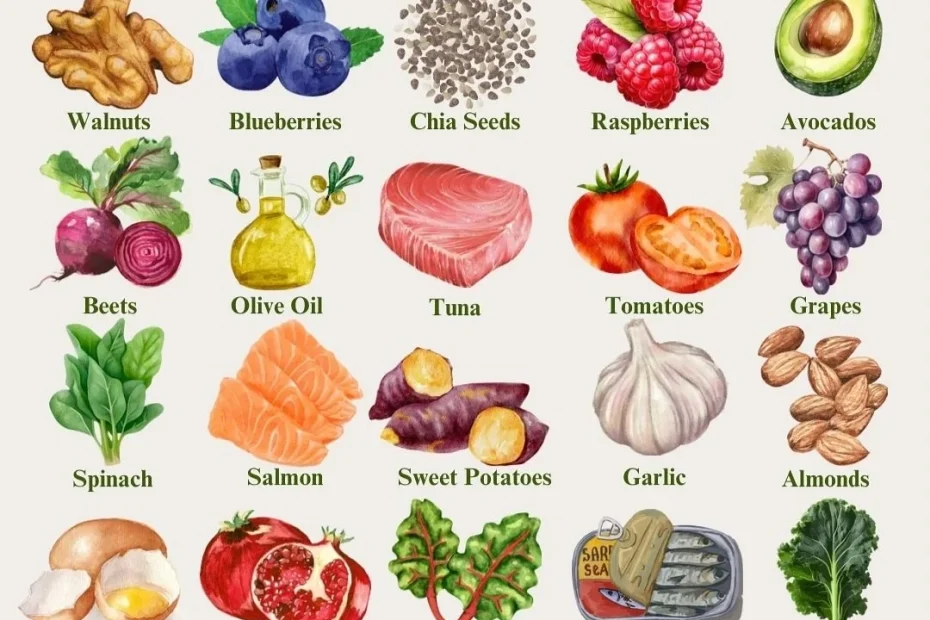
Almonds, walnuts, and pistachios contain healthy fats that support good cholesterol levels. Walnuts, in particular, provide plant-based omega-3 fatty acids, which are linked to reduced inflammation.
The key is portion size. A small handful a day is enough. Think of nuts as supplements in food form—not snacks to mindlessly consume.
Leafy Greens: The Silent Supporters
Leafy greens don’t shout about their benefits. They just show up and do the work.
Spinach, methi, lettuce, and other greens provide potassium, magnesium, and nitrates—nutrients that help regulate blood pressure and improve blood vessel function.
I often tell clients: if you can add greens to one meal a day, you’re already supporting your heart more than you realize.
Fruits: Especially the Colorful Ones
Berries, apples, oranges, and pomegranates are rich in antioxidants and fiber.
These compounds help reduce oxidative stress, one of the underlying contributors to heart disease. Fruits also satisfy sweetness naturally, making it easier to reduce processed sugar without feeling deprived.
Whole fruits matter more than juices. Chewing slows absorption and supports better glucose control.
Fatty Fish: Nature’s Anti-Inflammatory
For those who eat non-vegetarian food, fatty fish like salmon, sardines, and mackerel offer powerful heart benefits.
They provide omega-3 fatty acids, which help reduce triglycerides, improve blood vessel elasticity, and lower inflammation. Even consuming fish once or twice a week can make a measurable difference over time.
If fish isn’t part of your diet, plant-based alternatives like flaxseeds and chia seeds are helpful, though they work more slowly.
Seeds: Tiny Daily Insurance
Seeds are often overlooked, but they’re incredibly effective.
Flaxseeds help lower cholesterol and improve arterial health. Chia seeds support fiber intake and blood sugar balance. Sesame seeds offer plant sterols that support cholesterol regulation.
I recommend adding seeds to curd, salads, or cooking—not treating them as a trend, but as routine.
Legumes and Beans: Old-Fashioned, Reliable
Lentils, chickpeas, rajma, and beans have nourished generations for a reason.
They provide fiber, plant protein, and minerals that support heart health. Regular legume intake is associated with improved cholesterol levels and better gut health, which indirectly affects cardiovascular function.
These foods don’t need reinvention. Traditional preparations already get a lot right.
Olive Oil and Traditional Oils (Used Wisely)
Fats are essential for heart health—but the type and amount matter.
Olive oil supports healthy cholesterol levels and reduces inflammation when used in moderation. Traditional oils like mustard or groundnut oil can also be beneficial when rotated and not overheated.
What I caution against isn’t fat itself—but excess, repetition, and deep frying.
Garlic: The Everyday Medicine
Garlic has been used in traditional diets for centuries, and modern research supports its role in improving cholesterol and blood pressure.
Used regularly in cooking, garlic provides mild but cumulative benefits. It’s not a cure, but it’s a supportive ally.
This is what I mean by “quiet” foods—they don’t promise miracles. They build resilience slowly.
Fermented Foods: Gut and Heart Connection
Curd, yogurt, and other fermented foods support gut health, which influences inflammation and lipid metabolism.
A healthy gut environment helps the body manage cholesterol more efficiently. This connection is often underestimated but increasingly supported by research.
Simple, unsweetened curd consumed regularly can be surprisingly powerful.
Dark Chocolate (Yes, Really)
In moderation, dark chocolate with high cocoa content provides flavonoids that support blood vessel function.
This doesn’t mean chocolate bars every day—but a small piece occasionally can be both satisfying and beneficial.
Heart health doesn’t have to feel joyless.
The Real Pattern That Matters
As a nutritionist, I see people stress over individual foods while ignoring the overall rhythm of their eating.
Eating regularly. Including fiber daily. Rotating fats. Balancing meals. Staying hydrated.
These patterns matter more than perfection.
No single food protects the heart on its own. But daily choices accumulate, quietly shaping how your heart functions years from now.
A Gentle Reminder
Heart health isn’t built in crisis mode. It’s built in kitchens, grocery stores, and everyday meals.
You don’t need a strict diet or fear-based rules. You need consistency, awareness, and trust in simple foods that have supported human health for generations.
Your heart responds best when it feels supported, not stressed.
And sometimes, the most powerful nourishment is the kind that works silently, meal after meal.